
CANDIDATES
AGI and PRI Jobs Explained: What the Work Involves
28 September 2026 · Onshore Technical
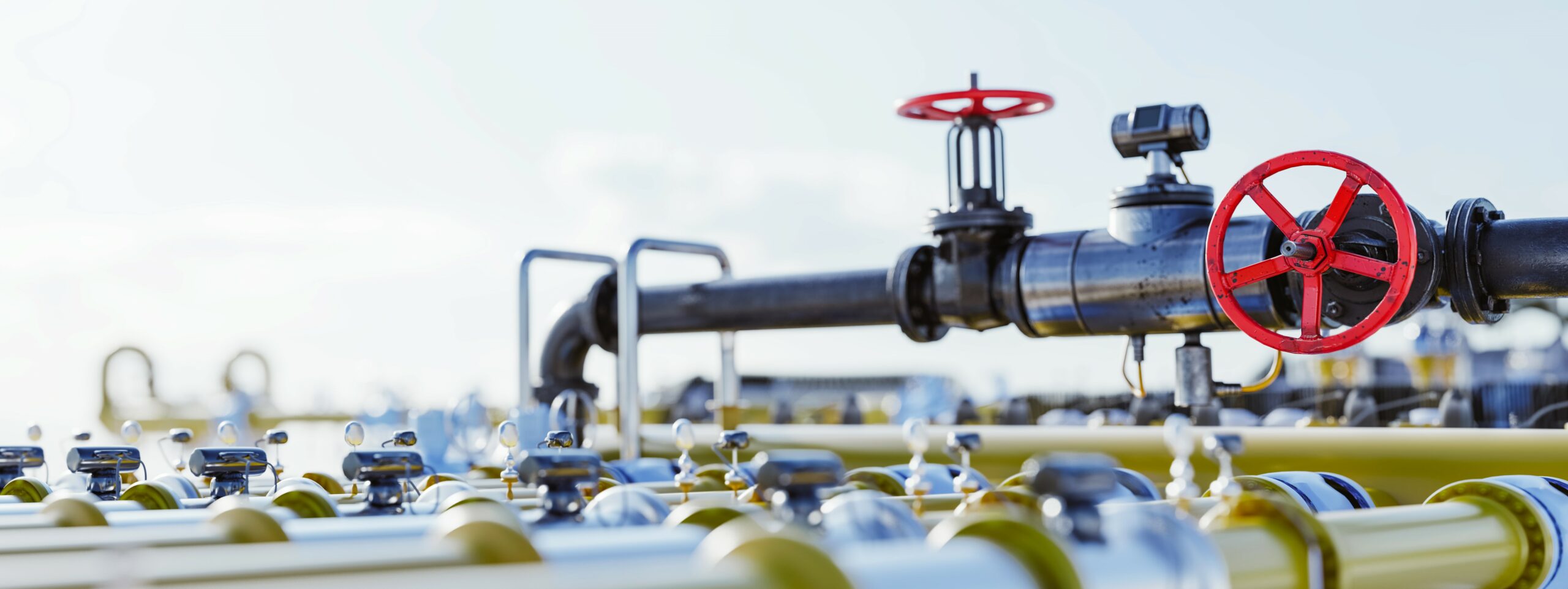
If you look through gas engineering jobs, you'll see the letters AGI and PRI again and again. They're some of the most specialist, and most in-demand, areas of work on the UK gas network.
Here's what they are, what the roles involve, and what it takes to get into them.
What is an AGI?
An Above Ground Installation (AGI) is any point on a buried gas pipeline network where equipment comes up to the surface. That can include:
- Offtakes, where gas leaves the National Transmission System and enters a regional distribution network.
- Metering, where the volume and quality of gas passing through is measured.
- Pressure reduction, where gas pressure is brought down between one tier of the network and the next.
- Pigging facilities, valves and isolation points for maintenance and inspection.
What is a PRI?
A Pressure Reduction Installation (PRI) steps gas pressure down so it can move safely from a higher-pressure part of the network to a lower one. Gas travels through the network at several pressure tiers, from the high-pressure transmission system through intermediate and medium pressures down to the low-pressure mains that serve homes.
Every step down needs a PRI or a district governor, with regulators, filters, slam-shut valves, relief systems and, on larger sites, preheating to stop the gas getting too cold as its pressure falls. IGEM/TD/13 is the key industry standard for these installations.
The roles on AGI and PRI projects
AGI and PRI work covers the whole asset lifecycle, so the roles are varied:
- Design engineers, mechanical, civil and EC&I, producing designs to IGEM standards and the network operator's specifications.
- Project managers and engineering managers who run projects from feasibility through to commissioning.
- Construction managers, site managers and supervisors who deliver the build safely.
- Mechanical fitters, pipefitters and welders, including coded welders for pressure pipework.
- EC&I technicians and engineers working on metering, telemetry, control systems and cathodic protection.
- Commissioning engineers who bring new or rebuilt installations into service.
- Quality, inspection and CDM roles supporting the project team.
- Maintenance technicians who keep existing installations running.
What makes this work different
AGI and PRI sites are live, pressurised, hazardous-area environments. That shapes the work in a few ways:
- Permit systems are strict. Work is controlled through the network operator's safety rules and permit-to-work procedures.
- Competence must be proved. Clients want evidence of the installations you've worked on, not just a list of tickets. Our article on competence in HAZCON explains why.
- Hazardous-area qualifications matter. EC&I roles usually need CompEx.
- Quality documentation is part of the job. Records, test certificates and handover files are as important as the build itself. See our article on the role of QMS in the gas industry.
How to get into AGI and PRI work
The most common routes in are:
- From mechanical, pipefitting or welding backgrounds in oil and gas, process or power.
- From EC&I roles in other hazardous-area industries.
- From distribution network roles, building up to more complex installations.
- Through design and engineering graduate schemes.
A CCNSG Safety Passport, SHEA Gas and, for EC&I roles, CompEx are good foundations. Our guide to gas industry qualifications covers these in more detail.
Find AGI and PRI roles
AGI and PRI work is one of our specialist areas, and many roles are filled through our network before they reach the job boards. Browse our current gas jobs, or register with us and tell us which installations you've worked on.