
ARTICLES
Onshore Technical Delivers First Site-Specific Pressure Control Pilot
17 November 2026 · Onshore Technical
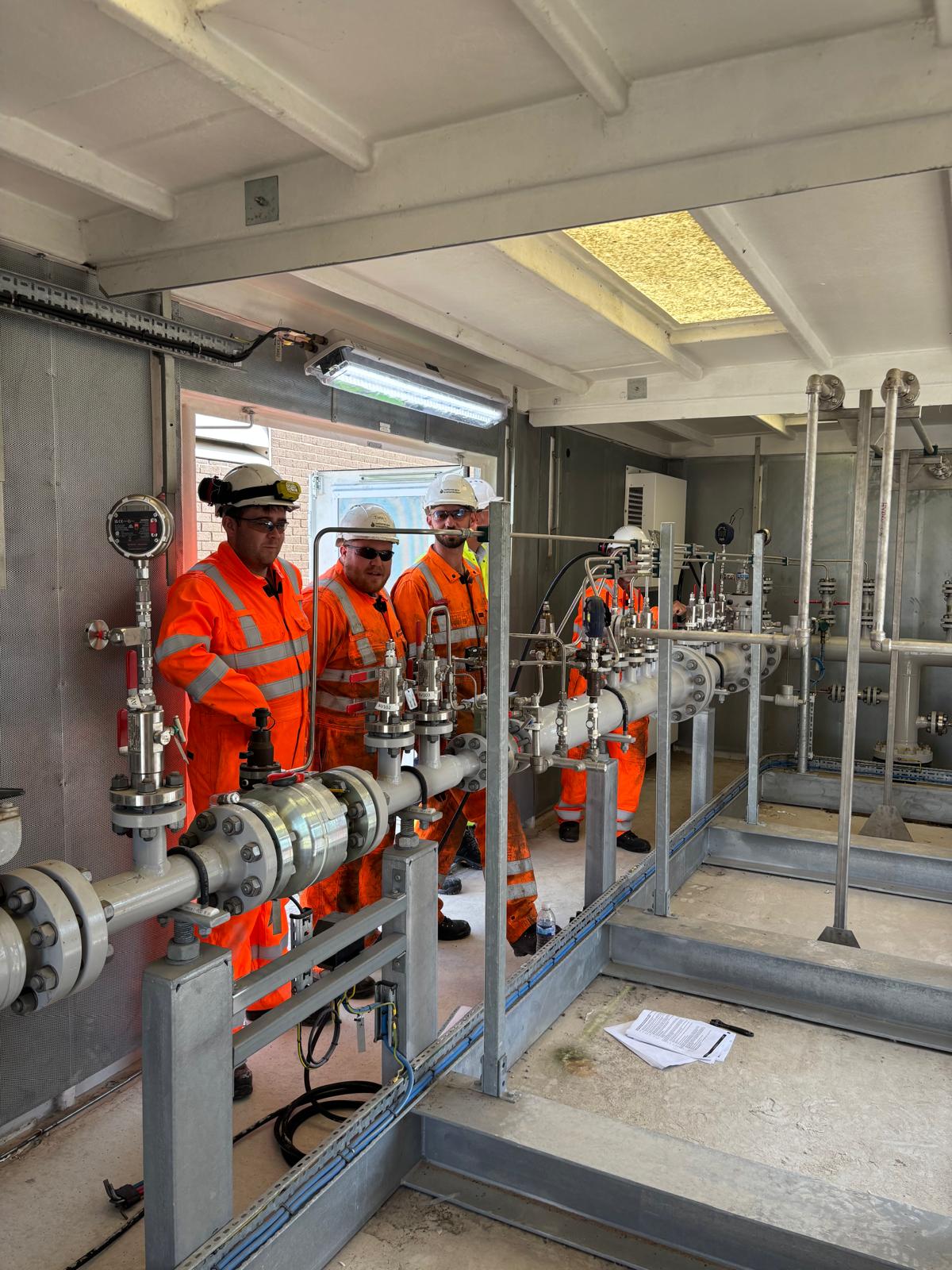
Onshore Technical has delivered the first pilot of its site-specific Pressure Control Training package, marking a shift away from sending technicians and managers off-site to a training centre and towards building training around the assets teams actually operate and maintain day to day.
The approach starts with a survey of the sites in question and a review of the pressure control equipment installed. From there, Onshore Technical develops bespoke training material that reflects the real configuration of governors, relief valves, slam shuts and associated kit found on that particular patch, rather than generic equipment that may bear little resemblance to what operatives see on shift.
Why Site-Specific Training Matters
Pressure control equipment varies considerably across the gas distribution network, shaped by decades of asset replacement, regional specification and manufacturer changes. A technician trained on a standard rig may still face a steep learning curve when confronted with the specific installation at their own site. Building training around the actual equipment removes that gap and gives teams confidence they can transfer directly into their day-to-day work.
This matters for both competence and compliance. Training that maps clearly onto the equipment operatives are assessed against, under IGEM standards and site operating procedures, gives clearer evidence of competence and makes it easier for managers to demonstrate that training has translated into practical capability.
Training While You Maintain
A central feature of the package is its alignment with planned maintenance activity already scheduled on the AMP. Rather than treating training as a separate exercise that competes with operational time, Onshore Technical builds sessions around functional checks, PSSR examinations and maintenance work orders that are happening anyway.
This has two practical benefits. First, it reduces the disruption to planned maintenance programmes, since training is delivered alongside work rather than instead of it. Second, it gives technicians the chance to apply new knowledge immediately, working through real tasks on real equipment with support on hand, rather than returning from a classroom and having to translate theory into practice days or weeks later.
For contractors and network operators managing tight maintenance schedules, this integration matters. Training that adds time pressure or pulls teams away from planned work is often the first thing to be deprioritised when schedules tighten. By building training into the maintenance activity itself, the package is designed to sit alongside operational demands rather than compete with them.
Early Feedback and Next Steps
The pilot has generated feedback from those involved in its delivery, covering both the content itself and the practicalities of running training on site alongside live maintenance work. That feedback is now being used to refine the package further, with the aim of making it as practical and directly applicable as possible for gas network operators and Tier 1 contractors.
Onshore Technical would like to thank everyone who supported the pilot, including those who gave time to the site surveys, equipment reviews and delivery of the sessions themselves. Their input has been central to shaping a training package that reflects real operational conditions rather than a standardised curriculum.
The long-term aim is to build out a range of asset-specific training packages across gas operations, covering areas beyond pressure control where the same principle applies: that training is most effective when it reflects the equipment, procedures and working environment teams encounter every day.
Organisations interested in discussing pressure control training, or Onshore Technical's wider training offering across gas operations, are encouraged to get in touch to explore how a site-specific approach might fit their own maintenance programme and competence requirements.